Physical Address
304 North Cardinal St.
Dorchester Center, MA 02124
Physical Address
304 North Cardinal St.
Dorchester Center, MA 02124

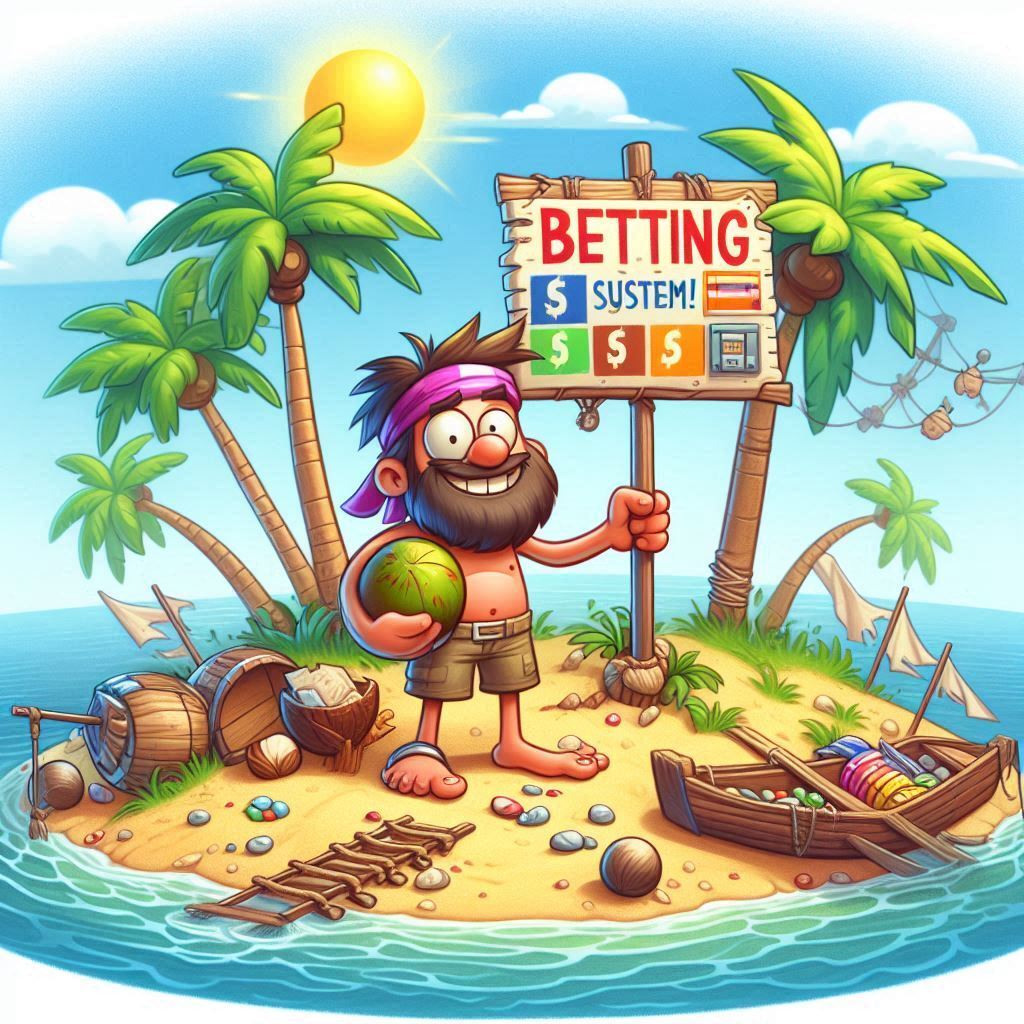
Great marketing is essential for Survival
Series – The Online Gambling Industry

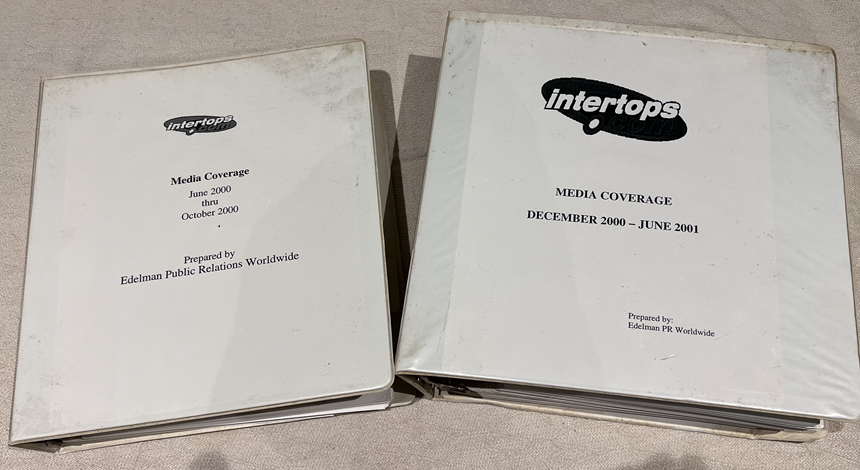
Moving office is always a complete nightmare. Especially when you have boxes and boxes of old documents and artifacts (read rubbish) that need to be checked to see if they are actually worth moving or simply chucked out.
During my rigorous checking process, I came across a couple of fairly bulky folders with the intriguing titles “Intertops Media Coverage, June 2000 – October 2000” and “December 2000 – June 2001”.
Within their deceptively innocent black and white laser printed covers, the folders fully document a bold and creative marketing strategy that would simply not be possible today.
Both folders were prepared for Intertops by Edelman Public Relations Worldwide – a pretty serious US marketing firm. I vaguely remember visiting their offices in Times Square, New York sometime around the early 2000’s when Intertops engaged their services.
Intertops was at that time riding the wave of being the number one online sportsbook and casino and it looked like there was no holding them back. The biggest and richest market was the US and Intertops was keen to reinforce it’s reputation and continue to gain new customers.

Edelman had their office on Times Square, NY
Intertops hired Edelman to take them to new heights of fame and glory. The strategy was simple; Intertops would continue to offer bets on sporting events but also on other newsworthy events such as the presidential race. The quoted odds along with the Intertops.com name would be published in as many media outlets as possible,
Additionally, Intertops would offer odds on ‘exotic’ events which were designed to create as much publicity for the company as possible. An example of this was Groundhog Day where bets were offered on whether or not the famous groundhog Punxutawney Phil would see his shadow on 2nd February each year. Intertops were the first sportsbook to offer this bet and this ‘news’ was broadcast on just about every breakfast TV show in the US that day. Unbelievably great publicity.

Groundhog Day derives from a Pennsylvania Dutch tradition that says that if the groundhog (seems for have been the same one since 1840..) emerges from its burrow on this day and sees its shadow, winter will continue for six more weeks. If it does not see its shadow, spring will arrive early.
Sadly, despite the rigorous science, studies have surprisingly found no correlation between the groundhog seeing its shadow and the actual arrival of spring’ish weather.
But betting on Groundhog Day would turn out to be nothing compared to the next big thing. Intertops’ new and daring marketing strategy also happened to coincide with one of the most influential TV series ever created. This new TV series was called “Survivor”.
The beginning of Survivor on May 31, 2000
Survivor is one of the most influential reality TV formats ever created, and its history is tightly tied to the global rise of unscripted television in the late 1990s and early 2000s.
However, Survivor did not originate in the United States. The concept was originally created by a certain Charlie Parsons, a British television producer working for a Swedish TV company called Strix, created a totally new TV series called “Expedition Robinson”.

Charlie Parsons by David Sillitoe
Charlie Parsons said in an interview that his five bruising years spent at a UK boarding school provided the basic ideas for the show. “It encourages the ethos of survival of the fittest”.
The concept for Expedition Robinson emerged from a simple but radical question for its time: What happens when ordinary people are removed from modern society and forced to build a social order from nothing?

Robinson Crusoe under scrutiny
Rather than framing the program as a “game show,” Parsons positioned it as a social experiment rooted in anthropology and survival psychology. The working title drew inspiration from Daniel Defoe’s Robinson Crusoe, reflecting the idea of isolation, self-reliance, and the reconstruction of society in a hostile environment.
The format combined three elements that were rarely unified on television at the time:
Parsons and Strix framed Expedition Robinson as a form of observational sociology. The show explored:
Unlike later versions, there was less emphasis on “twists,” advantages, or surprise mechanics. The drama emerged organically from resource scarcity and social tension, rather than from production-driven interventions.
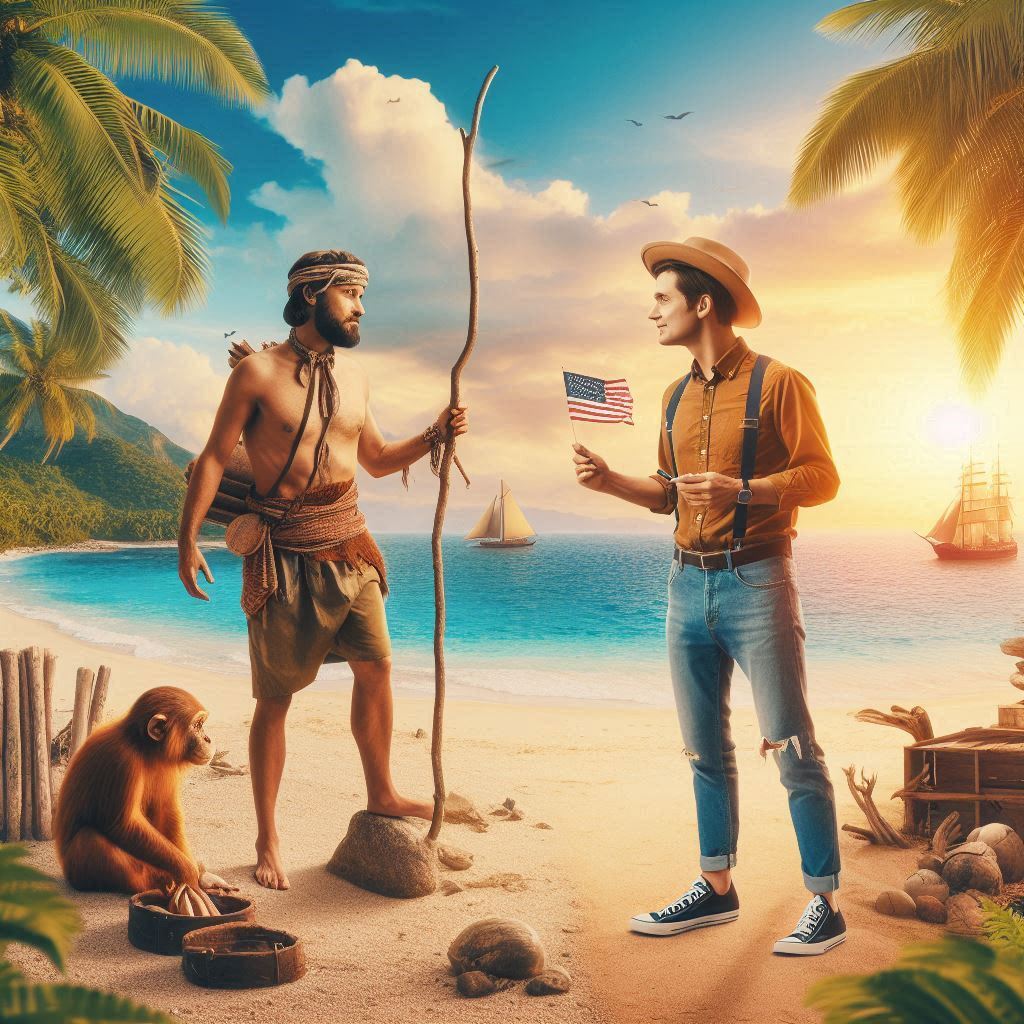
Expedition Robinson became Americanized
When the format was sold to the United States, it underwent a philosophical shift. Under Mark Burnett’s production leadership, the American version, Survivor in the year 2000, transformed Expedition Robinson into a game-first format:
This evolution proved commercially decisive, turning the concept into a global franchise rather than a regional documentary experiment.
Season 1 of Survivor – Borneo – was first broadcast on CBS on 31st May 2000. This season became a cultural phenomenon and the finale drew over 51 million viewers in the US.

Terms such as “tribal council”, “immunity” and “the alliance” became popularised. Also, the Survivor format marked one of the first times that social strategy became just as important as physical survival in a competitive TV game show.
Survivor helped define modern reality television and proved that unscripted TV could beat scripted dramas in ratings. It would influence shows like Big Brother, The Amazing Race, and The Apprentice and introduced the idea of “strategy confessionals”, where players explain their thinking directly to the audience.
It also pioneered interactive TV culture, with office pools, online forums, and fan-run strategy analysis becoming common.
And you could bet on it with Intertops!

Intertops odds were quoted everywhere
Intertops strategy was simple – offer fans of this incredibly popular TV show the opportunity to ‘get in the game’ by being able to bet on the Survivor winner. And, at the same time, Intertops used Edelman to make sure that the odds were publicised in as many media outlets as possible by quoting the largest internet sportsbook Intertops.com.
It was a great success. According to the Edelman folder, numerous media articles and websites quoted the Intertops odds as part of their general reporting on the new Survivor TV series.
Not only that, Intertops actually correctly predicted the winner – Richard Hatch , which no doubt resulted in a nice profit.
Update! After a chat with Simon Noble, the main man responsible for this genius marketing idea, he mentions a few good points:
“All good but you are missing something really important…. Obviously it was a pre-recorded show and the result was known by a group of CBS insiders.
There were strong rumours as to who the eventual winner was (that proved to be correct). But we were regularly prominently featured with our latest odds across all of the mainstream media (I think we might even have been a permanent fixture on the front page of the entertainment section of the USA Today – but don’t quote me on that) (I will anyway 🙂 – Ian)
But it was such a great acquisition source that we kept the book open
It was only until we had requests for 4 and 5 figure bets (on the eventual winner) from accounts linked to CBS employees that we closed the book
Even other bookmakers contacted us and told us that we should take the market down but it was a price we were willing to pay!”
BETR.org was the first true blockchain betting platform
As an avid programmer, I’ve been involved with sports betting in one form or another for at least 50 years now. I’ve written software that supports traditional sports betting platforms and more recently P2P betting on the Ethereum blockchain with BETR.org (and that’s another story for sure…)
So, it occurred to me, and please bear with me here… Survivor’s enduring relevance lies not only in its longevity, but in how it models the same forces that drive today’s betting and market-based platforms: incomplete information, incentive design, reputation, and final settlement.
In this sense, Survivor did not simply reflect human behaviour – it mapped it into a repeatable, rule-based system long before social gambling and Web3 markets became mainstream.
And with your patient indulgence, I’m going to extend this argument a bit further.
Keep information to yourself
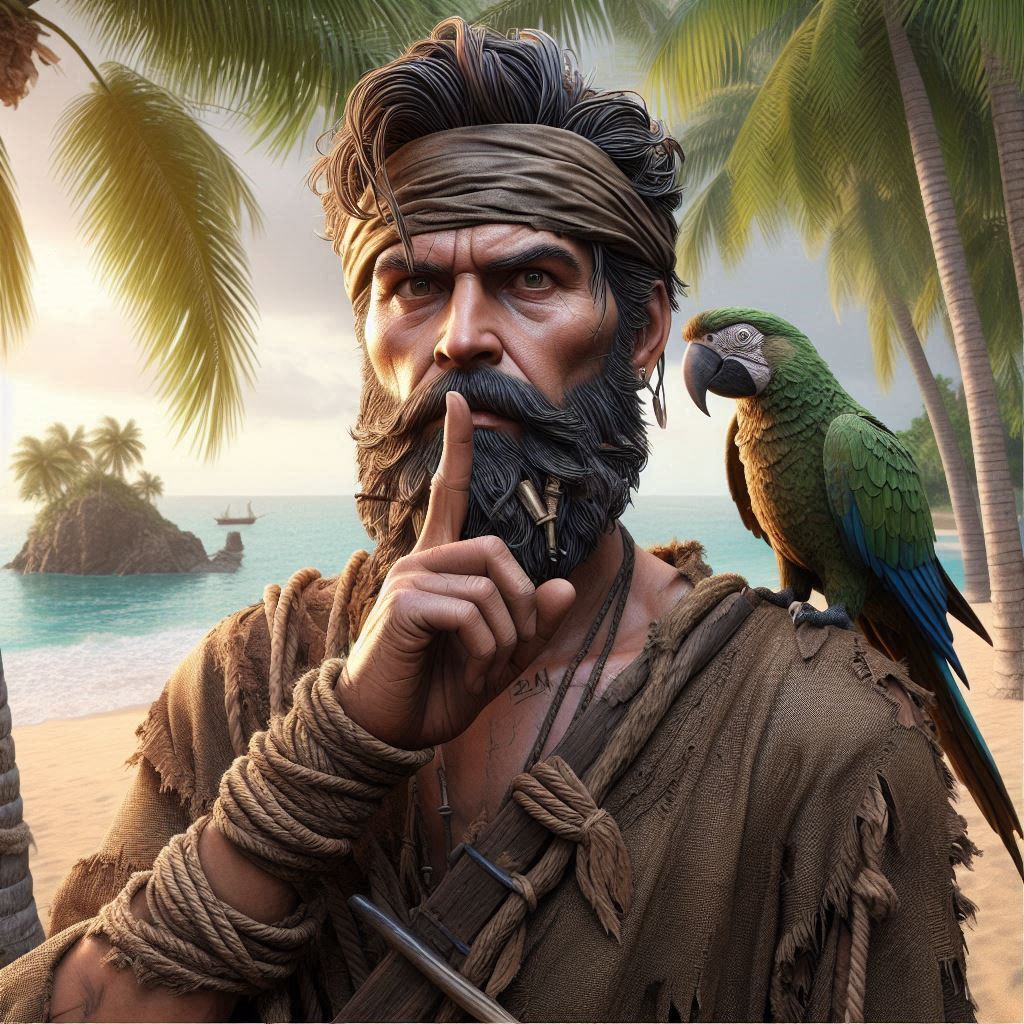
At the core of Survivor is hidden information. Players rarely possess a complete picture of the social landscape. Alliances operate in secret, advantages are concealed, and loyalties shift without public confirmation. Decisions are made based on partial knowledge and interpreted signals rather than verifiable facts.
This structure mirrors the mechanics of betting markets and financial exchanges, where odds and prices are shaped by information asymmetry, Some participants operate with superior data, sharper models, or privileged insight, while others rely on public narratives and surface-level trends.
As new information emerges – an injury report, a lineup change, or a sudden shift in betting volume – markets “reprice” in real time.

Choose your friends carefully
Alliances in Survivor are not merely social constructs; they are economic units. Members pool votes, share intelligence, and coordinate actions to increase collective power. In doing so, they reduce individual risk while amplifying group influence over the outcome of each round.
This dynamic closely resembles betting syndicates, market-making groups, and pooled liquidity systems in decentralized finance. In these environments, participants aggregate capital or influence to stabilise variance, shape pricing, and extract value from less coordinated players.
However, this structure introduces a fundamental vulnerability: trust risk. An alliance member who defects can destabilize the entire group, just as a major liquidity provider withdrawing funds can disrupt a market’s balance. In both systems, power is derived from coordination, but fragility is introduced by human incentives.
This is hard to take!
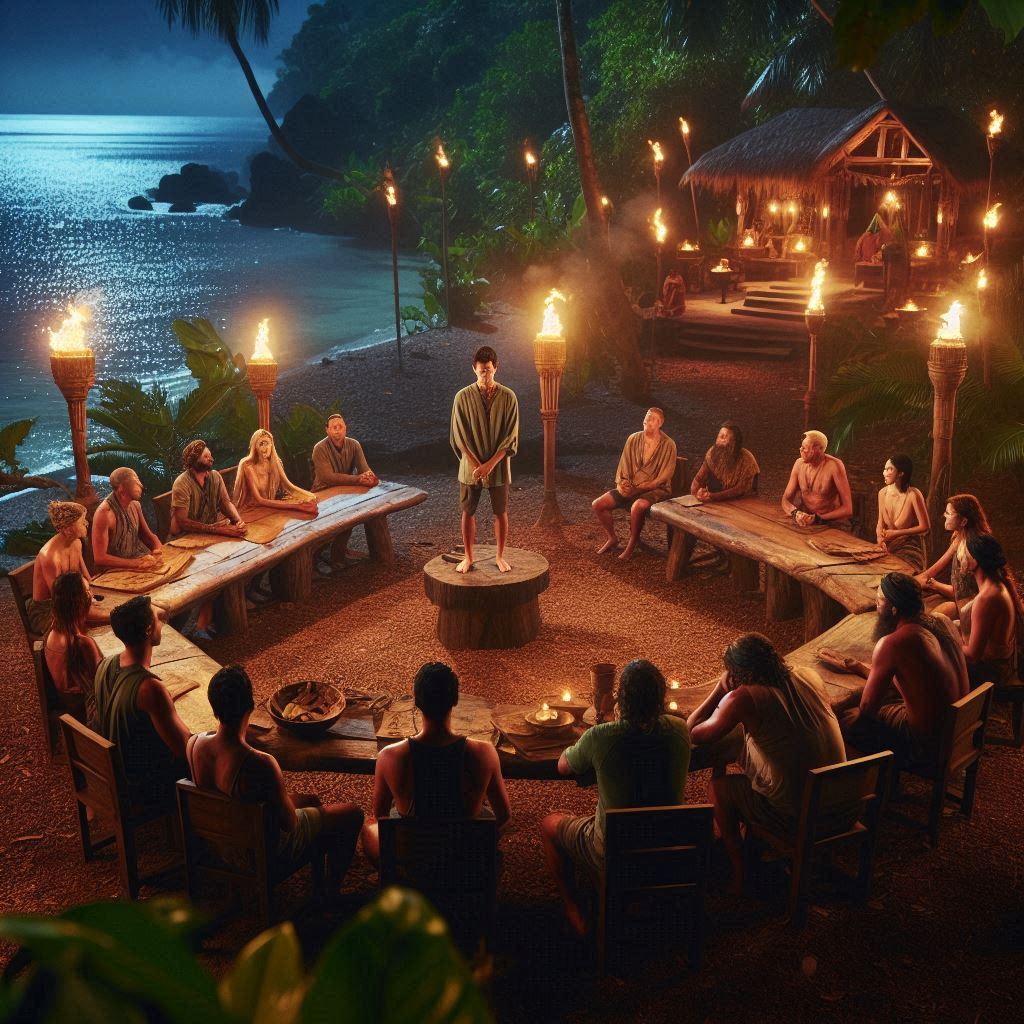
Every episode of Survivor culminates in Tribal Council — the point at which speculation becomes irreversible. Votes are cast, decisions are locked, and one participant is eliminated from the system.
This moment is structurally identical to the settlement phase in a betting platform or prediction market. Prior to settlement, participants can hedge, signal, or adjust positions. Once the outcome is finalized, all positions are resolved, balances are updated, and reputations are affected.
Tribal Council transforms social manoeuvring into formal accounting. Relationships, strategies, and deceptions are reduced to a binary outcome: survival or elimination. The same transition occurs when a sporting event ends and wagers move from open exposure to ledger entries.
Being a nice person does help a lot!
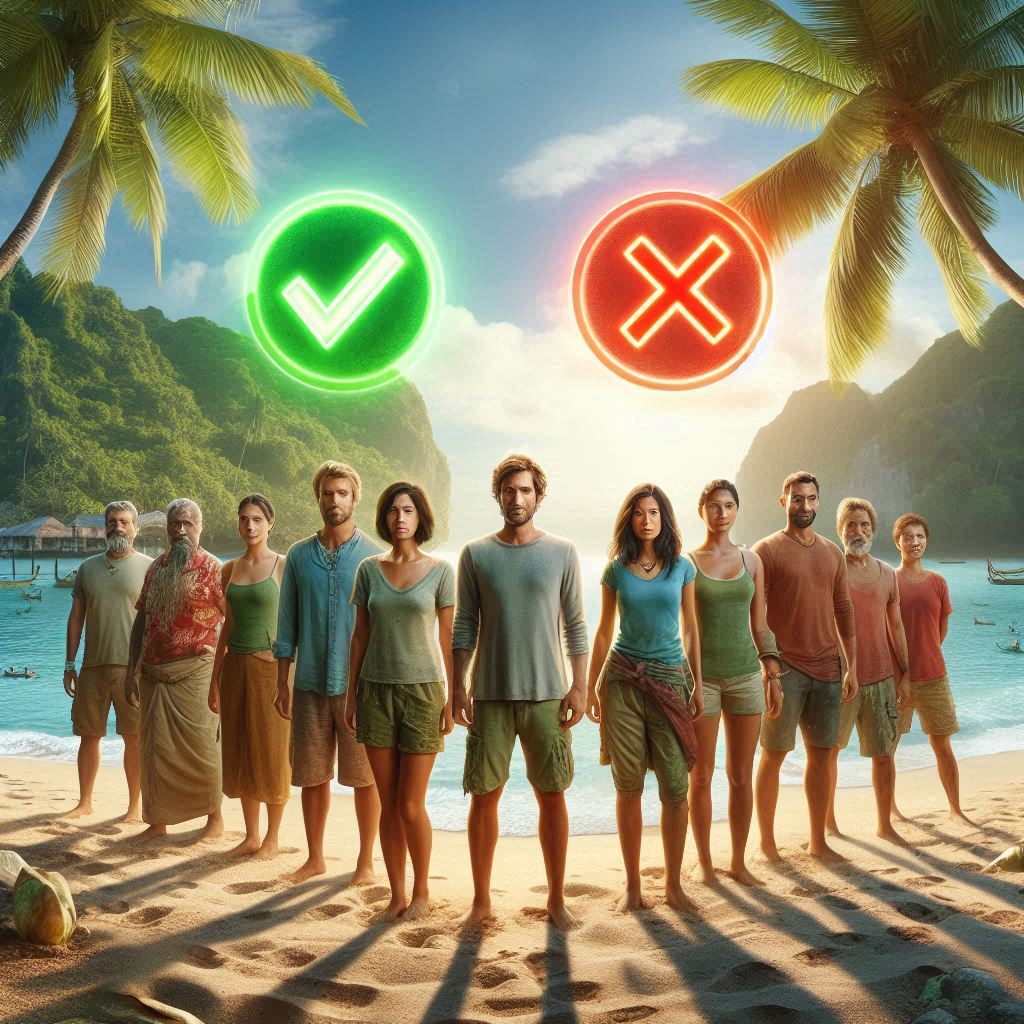
Unlike many competitive formats, Survivor does not reward the last remaining player automatically. Victory is determined by a jury composed of eliminated contestants, who evaluate not only success, but the manner in which it was achieved.
This creates a reputation economy. Players must balance efficiency with perception, understanding that aggressive or deceptive strategies may yield short-term survival but long-term punishment.
Digital betting and peer-to-peer platforms increasingly rely on similar mechanisms. Trust scores, staking requirements, and governance rights serve as reputation markers that influence future access and opportunity. A participant who exploits the system may profit once, but risks exclusion or reduced credibility over time.
In both environments, success is not purely transactional. It is relational, dependent on how one is perceived by the broader network.

Possessing an idol is better than being one
Modern iterations of Survivor include a wide array of advantages: hidden idols, extra votes, vote steals, and conditional powers that can only be exercised under specific circumstances.
These mechanisms resemble financial derivatives and risk management tools. They are not valuable in isolation, but in how and when they are deployed. An immunity idol, for example, functions as a one-time insurance policy against elimination. Its strategic value lies in timing rather than mere possession.
Similarly, in betting and decentralized markets, options, hedging instruments, and conditional contracts derive their worth from situational activation. The parallel underscores how Survivor evolved from a survival narrative into a structured game of probabilistic decision-making.
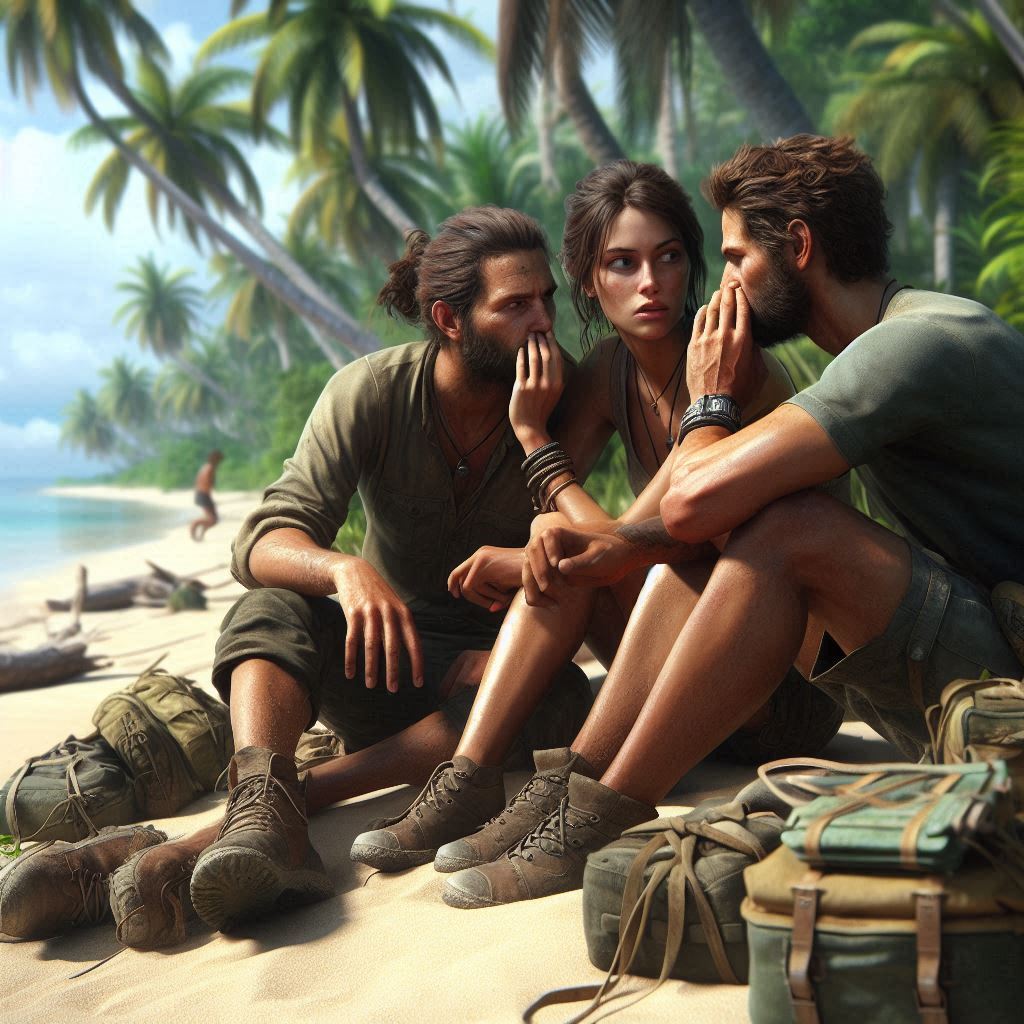
Sneaky is good but don’t get caught out!
A defining feature of Survivor is the manipulation of perception. Players routinely misrepresent their intentions, feign weakness, or leak selective information to shape the behaviour of others.
This behaviour is functionally identical to signalling in betting markets. Large wagers can be placed to influence odds, false narratives can circulate to move public sentiment, and strategic visibility can be used to disguise true positions.
In both systems, success often depends less on objective strength and more on the ability to control the information environment.

Be prepared to play the long game
Many of Survivor’s most dominant players fail in the final stages because they peak too early. By accumulating visible power, they become obvious targets. The winners, more often, are those who manage exposure, distribute risk, and time their decisive moves.
This mirrors principles of bankroll management and long-term betting strategy. Sustainable success is built on capital preservation, variance control, and selective aggression rather than constant dominance.
Both systems reward participants who optimize for longevity rather than short-term spectacle.

Social betting as a market place
As betting platforms move toward decentralized and peer-to-peer architectures, the structural similarities to Survivor become increasingly literal. In these environments:
The result is not merely a wagering platform, but a social economy — one where relationships, trust, and strategic positioning shape financial outcomes.
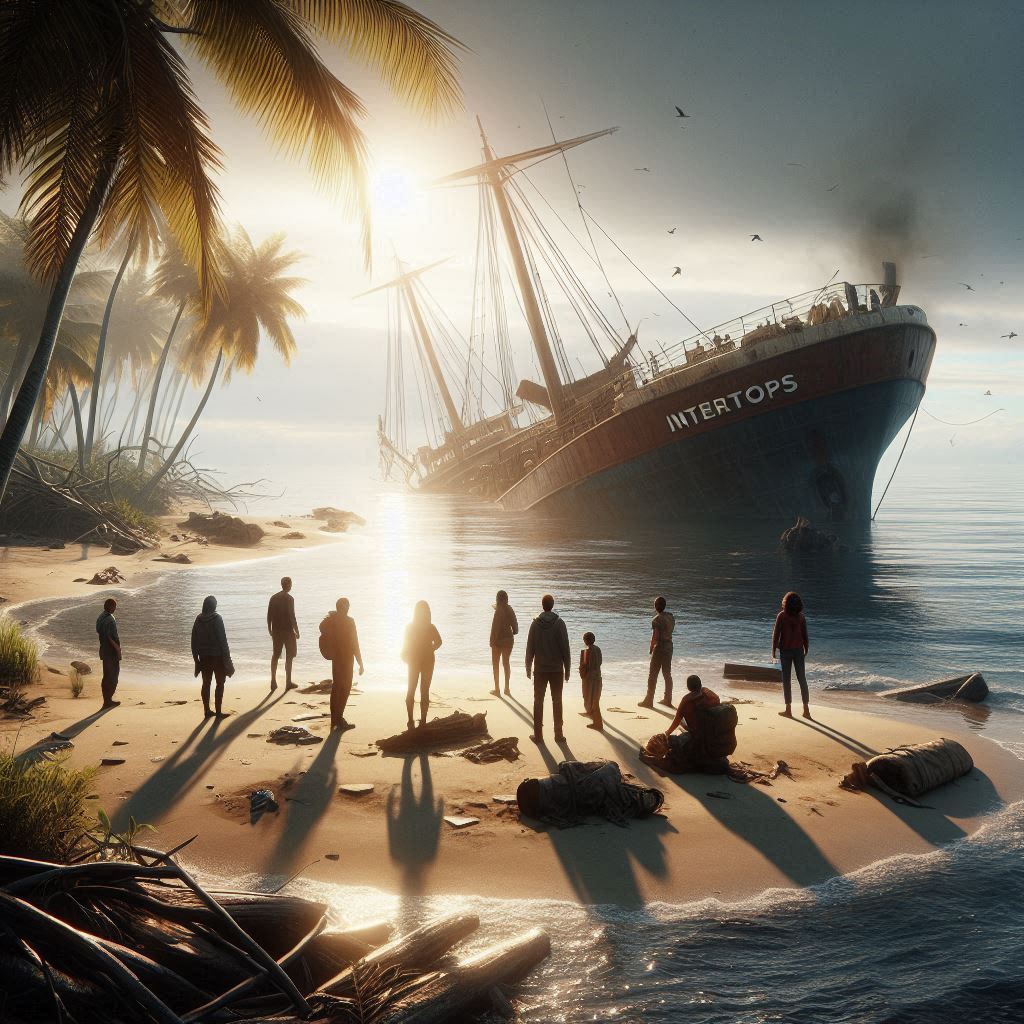
The good ship Intertops took a battering but would sail again!
Survivor will begin its 50th season on the 25th February 2026. Survivor endures because it models the same forces that govern modern digital markets: incentive alignment, information imbalance, reputation, and final accountability.
Long before the rise of online exchanges, prediction markets, and decentralized finance, the show demonstrated how these principles could be embedded into a repeatable, rule-based system driven by human behaviour.
In retrospect, Survivor can be seen not just as a landmark in television history, but as an early blueprint for the psychology and mechanics of social betting and digital market design.
Intertops would continue to partner with Edelman until it became clear that the US government was waking up and starting to actively target the operators of offshore gambling sites.
Therefore, things got a little too hot for such a reputable marketing company as Edelman certainly was. The partnership was dissolved in late 2001 and left Intertops with a marketing headache. No longer could it rely on the friendly media outlets of the US to publicize its wares as it had so successfully done.
Despite this massive setback, Intertops would adapt and come up with yet even more creative marketing strategies! And these will be the subject of the next article. Thanks for reading!